Solar panels are designed to work outdoors for years, but that does not mean every change in production points to the same cause. Weather, heat, seasonal shading, debris, monitoring gaps and electrical faults can all affect what a homeowner sees. A useful maintenance routine starts with observation and avoids unsafe rooftop or electrical work.
Compare production in context
Use the system monitoring app to look for repeatable patterns. Compare similar weather and seasons where possible instead of judging the system from one cloudy or unusually hot day. Note when a change began, whether it affects the whole array or only one section, and whether any alert appeared at the same time.
Look safely from the ground
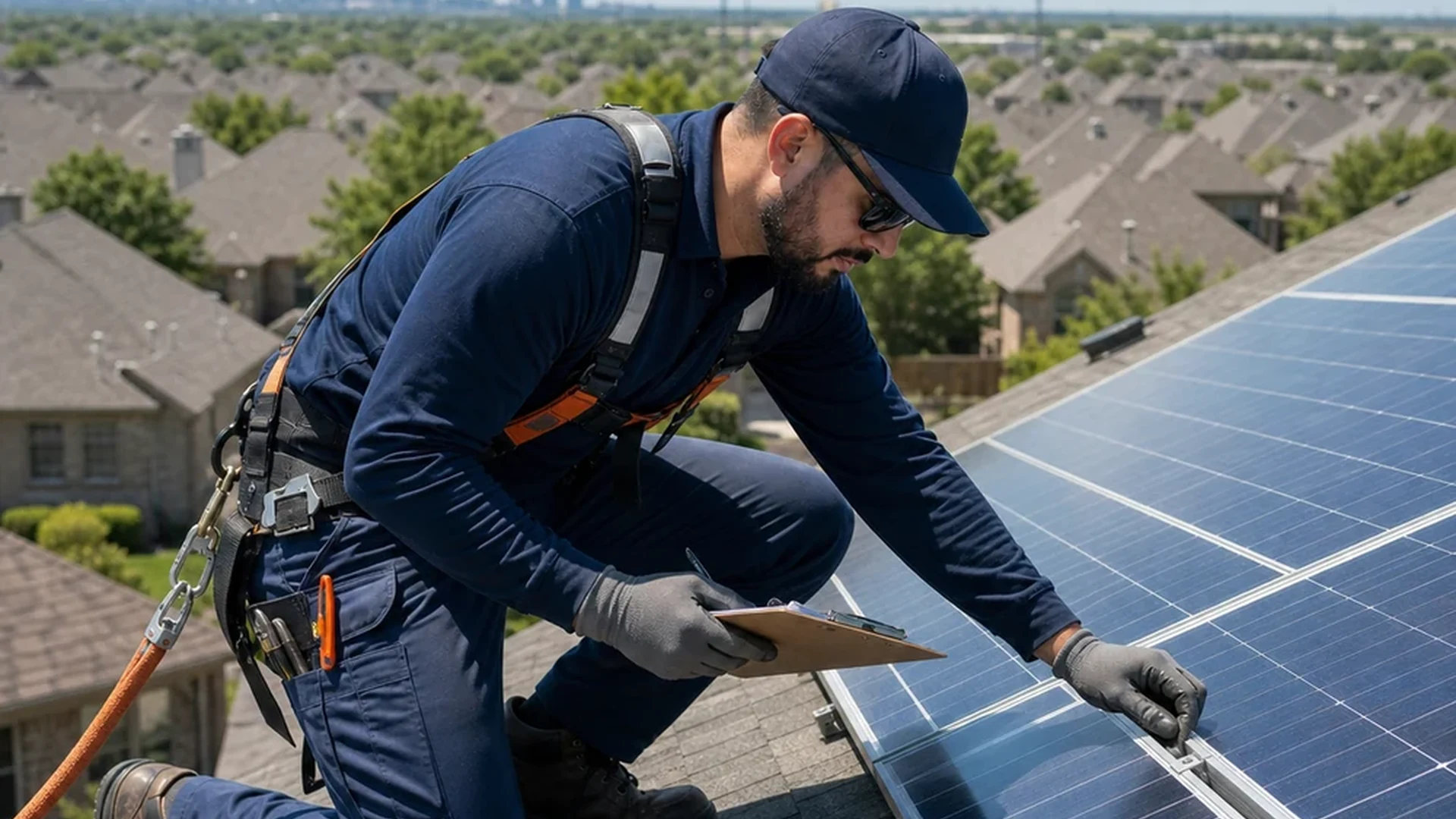
Visible cracked glass, displaced frames, sagging cable runs, heavy debris or new shade from vegetation are worth recording. Clear photographs can help a technician prepare, but owners should not climb onto a roof or touch solar wiring to investigate. Solar equipment can remain electrically active even when other parts of the property are switched off.
Cleaning is not the answer to every output change
Dust and stubborn buildup can affect performance, but cleaning should suit the roof access, panel instructions and the type of contamination. Abrasive tools, unsuitable chemicals and walking near modules can create damage or safety risks. If the cause is uncertain, request a condition review before choosing a cleaning method.
Prepare useful information for a service visit
Gather recent production graphs, alert screenshots, inverter or monitoring model information and the approximate system age. Mention recent roofing work, storms, tree growth or electrical changes. This context helps separate maintenance needs from faults that require targeted testing or repair.
Solar Repair Pros provides solar panel servicing and fault-focused repair support across Dallas-Fort Worth. The goal is a clear next step based on the system history and the condition observed.
